The Most Eco-Friendly AI Chatbots in 2026, Compared
Which AI is the most environmentally friendly? We compare the greenest AI chatbots in 2026, from on-device Apple Intelligence to Viro AI, GreenPT, Ecosia and EcoGPT, on energy, water and honesty.
“Eco-friendly AI” is on a lot of apps now. Some of those claims are backed by named data centers and published numbers. Others rest on a tree counter or a green logo. This guide ranks the AI chatbots that make a serious environmental case in 2026, and explains how to tell the difference.
Viro AI is ours, so we have judged every app, including ours, against the same four questions:
- Where does it run, and what powers it?
- Does it publish energy figures?
- How capable is it? A green AI you don’t use helps nobody.
- Is the claim honest about its limits?
The most eco-friendly AI chatbots at a glance
| AI | How it’s greener | Publishes numbers | Capability |
|---|---|---|---|
| Apple Intelligence (on-device) | Runs on your phone or Mac: no data center | Viro counts it as 0 Wh | Small model, everyday tasks |
| Viro AI | Own model on hydro, geothermal and wind; partner models energy matched | Energy shown on every reply | ChatGPT, Claude, Gemini and its own model |
| GreenPT | European data centers on 100% renewable power | Says it measures; training not verified | Open models |
| Google Gemini | Efficient serving; long-running clean-energy program | Per-prompt energy and water published | Frontier model |
| Le Chat (Mistral) | Published a full life-cycle study | Yes, life-cycle figures | Strong, fast |
| Ecosia AI | Small models; €18M invested in renewables | Measures with public tools | Search answers, not a full assistant |
| EcoGPT | Small models; plants trees | No energy, carbon or water figures | Small models only |
1. Apple Intelligence: the lightest AI there is
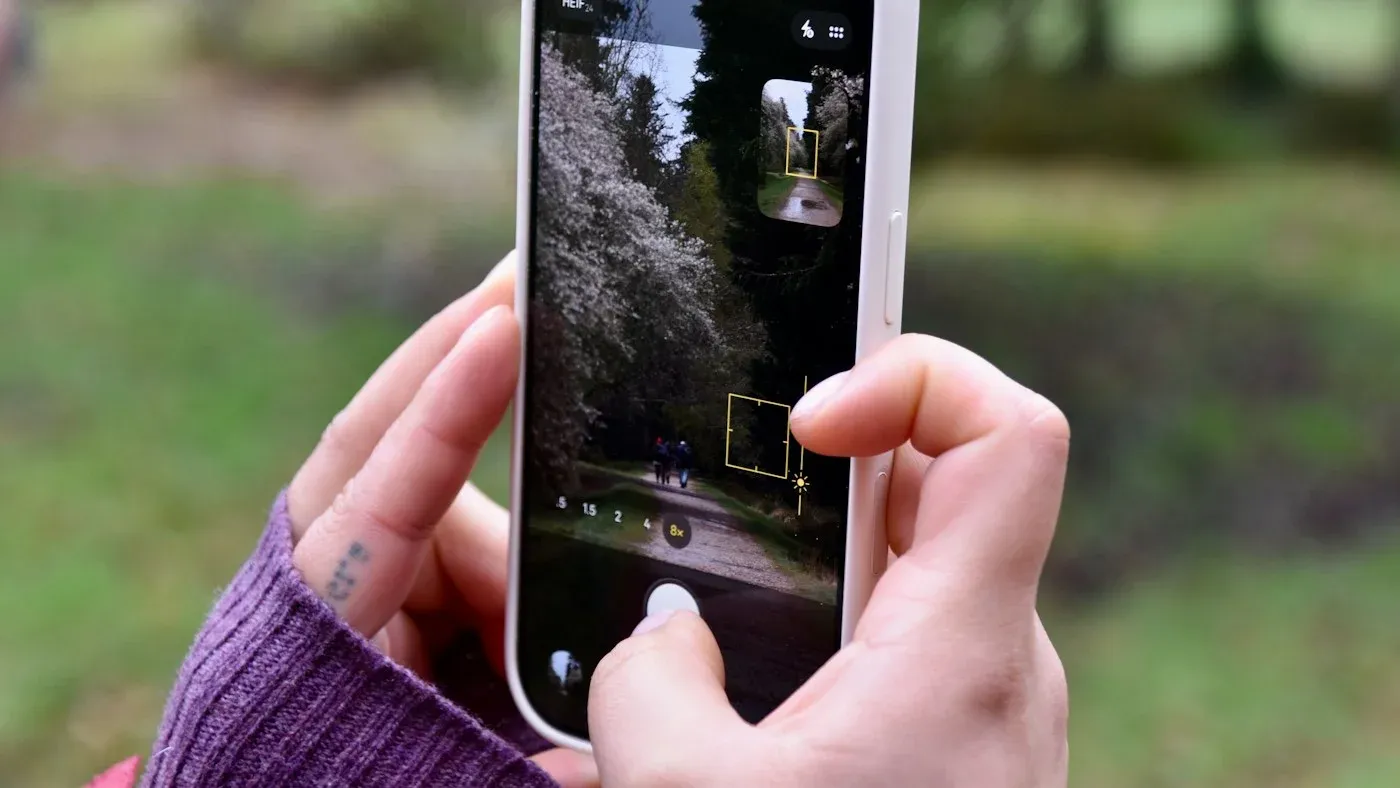
Apple’s on-device model runs on the chip in recent iPhones, iPads and Macs. No data center is involved, and no cooling water is evaporated. For short tasks like rewriting a message or summarizing notes, nothing is greener. The trade-off is capability: it’s a small model with a short memory. You can chat with Apple Intelligence like ChatGPT in Viro on an eligible device.
2. Viro AI: clean power where it runs, and numbers on every reply
Viro AI runs its own model in data centers in Iceland, Norway, Finland and Ireland, powered by hydro, geothermal and wind, with cooling that relies on cold air and closed loops rather than evaporation. It also includes ChatGPT, Claude and Gemini; those run on their makers’ servers, and Viro funds new clean energy to match the electricity each message uses, labelling them as energy matched rather than 100% clean. Every reply shows its estimated energy.
Best for: people who want the big models and a genuinely greener default in one free app.
3. GreenPT: European AI on renewable power
GreenPT, a Dutch company, runs its chat on European data centers it says are powered by 100% renewable energy, and reports a power usage effectiveness of 1.25. It is also upfront that it can’t yet verify the underlying foundation models were trained on renewable energy, which is the kind of honesty this category needs.
Best for: Europeans who want EU hosting and renewable power.
4. Google Gemini: the most transparent of the big three
Google published detailed per-prompt figures: 0.24 watt-hours and 0.26 mL of water for a median Gemini text prompt, and a 33-fold drop in energy per prompt over a year. It doesn’t make Gemini “green” by default, since it runs on whatever powers Google’s data centers, but it’s the frontier model with the most open numbers.
5. Le Chat by Mistral: the first full life-cycle study
Mistral published one of the first complete life-cycle analyses of an AI model, covering training, hardware and use. It found impacts rise roughly in line with model size. Le Chat isn’t marketed as green, but Mistral’s openness sets a standard others should follow.
6. Ecosia AI: AI answers from a climate search engine
Ecosia added AI overviews and an AI chat mode in December 2025. It says it uses small models, measures energy with the public AI Energy Score and Ecologits tools, avoids energy-heavy features like video, and has invested €18 million in renewable energy projects. Overviews can be turned off with one click. It’s a search experience rather than a full assistant. See Ecosia AI vs Viro AI.
7. EcoGPT: small models and trees
EcoGPT runs small, unnamed models and plants trees as you chat. Its own help pages say it doesn’t publish carbon, water or energy estimates. Small models do use less energy, but trees don’t change what powers the data center. We look at the evidence in is EcoGPT greenwashing?
How to pick the greenest AI for you
- Quick, private tasks: use an on-device model when you can.
- Everyday assistant: choose one that runs on renewable power where it actually runs, and shows its numbers.
- Hard problems: use a big model, but from a provider that’s open about its energy.
- Be wary of claims that rest only on trees, offsets or a name.
Read more: what makes AI eco-friendly and how much water AI uses.
Try Viro AI free: ChatGPT, Claude and Gemini, with Viro’s own model on renewable power.
Frequently asked questions
What is the most eco-friendly AI?
For a single quick answer, an on-device model like Apple Intelligence is the lightest, because no data center is involved. For a full AI assistant, look for one that runs on renewable power where its servers actually are and publishes its numbers. Viro AI runs its own model in data centers powered by hydro, geothermal and wind and shows the energy of every reply.
Is there an environmentally friendly alternative to ChatGPT?
Yes. Viro AI includes ChatGPT, Claude and Gemini but runs its own model on renewable energy and funds new clean energy to match the partner models. GreenPT runs on renewable-powered European data centers, and Ecosia offers AI search from a tree-planting search engine.
Which AI uses the least energy?
Smaller models use less energy per answer, and on-device models avoid data centers entirely. Among published figures, Google measured 0.24 watt-hours for a median Gemini text prompt and OpenAI about 0.34 watt-hours for an average ChatGPT query.
Is green AI really green?
It depends on the evidence. The strongest claims name the data centers, say what powers them, and publish energy figures. Claims built only on trees, offsets or a brand name are much weaker.
Sources
- Ecosia AI launch, Ecosia, December 2025
- Sustainability, GreenPT, read November 2026
- Our environmental claims, EcoGPT, read November 2026
- Our contribution to a global environmental standard for AI, Mistral AI, July 2025
- How much energy does Google’s AI use? We did the math, Google Cloud, August 2025
- Apple Intelligence in Viro, Viro Help Center